Regular roof cleaning is not only about maintaining its visual appeal, but also protecting your home. Although cleaning your building’s roofs yourself is technically possible, it is always advisable to hire professionals for roof cleaning in Lincoln. However, building owners who seek professional roof cleaning often fail to understand how often they should have it done. Well, the exact answer depends on several factors, including roof type, environment, and the type of buildup your roof faces. Reading this blog will help you create an accurate roof-cleaning schedule for your building situated locally.
Everything You Need to Learn About Roof Cleaning Schedule
Why Regular Roof Cleaning is Important?
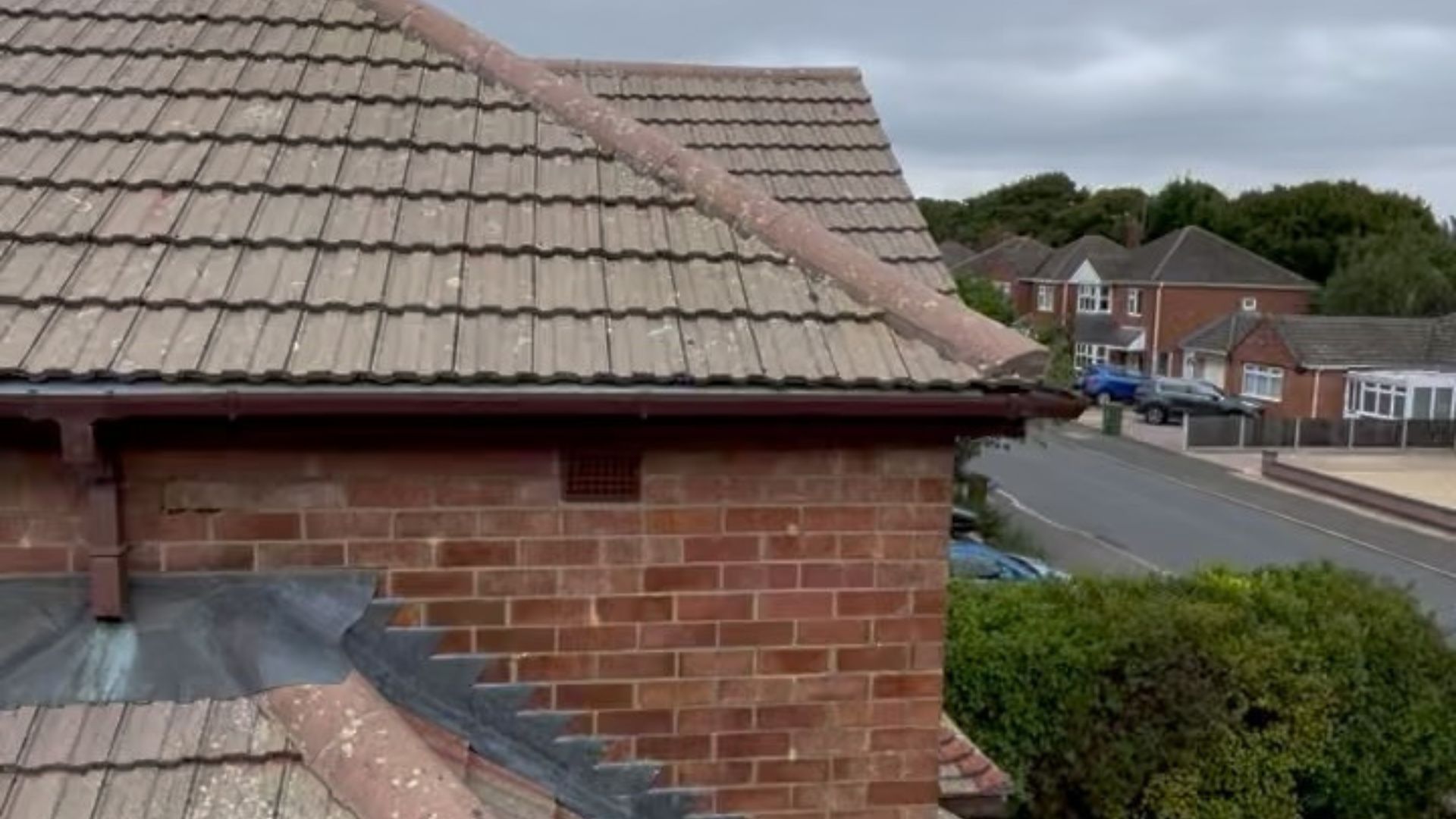
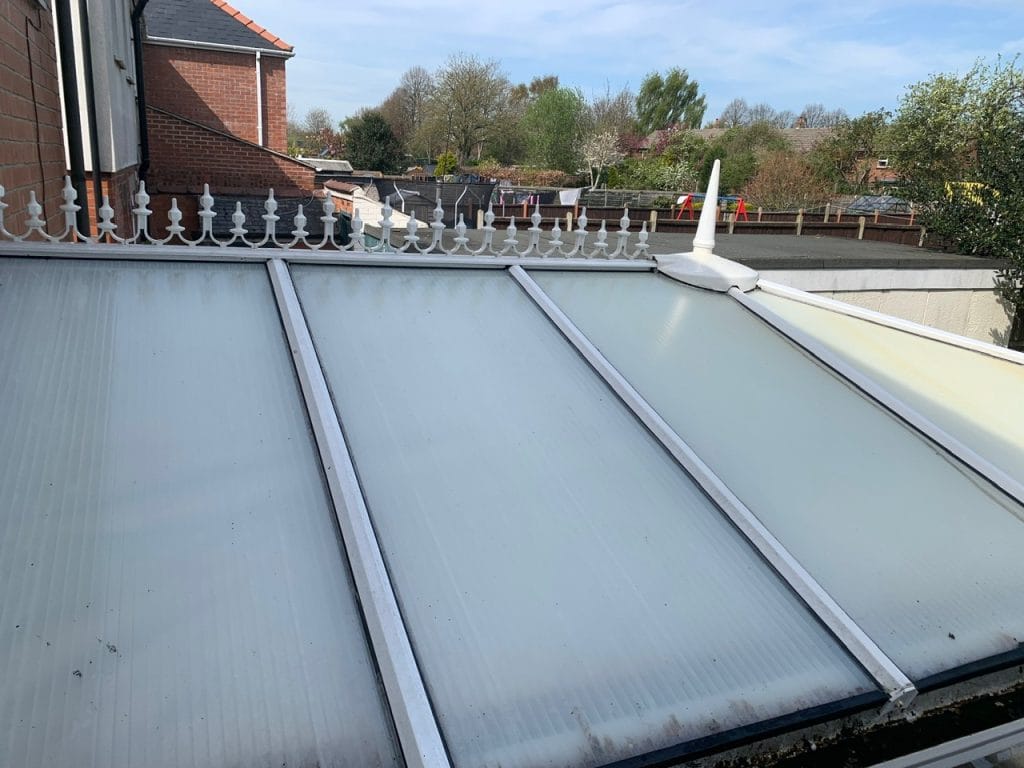
It is very natural for your roof to collect debris, dirt, moss, algae, and even lichen as days pass. These contaminants can grow more quickly in specific regions where shade, moisture, and seasonal changes are common. Do you know that lichen and moss can significantly trap moisture against shingles? On the other hand, algae cause black streaks. Regular roof cleaning can significantly extend the life of your roof. Additionally, it also eliminates any scope for premature replacements and costly repairs. Furthermore, it can increase the resale value of your property by enhancing curb appeal. Last but not least, it also helps to maintain proper drainage and ventilation. Skipping regular roof cleaning can lead to major structural damage.
Recommended Roof Cleaning Frequency in Lincoln
For most properties across the city, roof cleaning is generally recommended every 1-2 years. However, this is just a general guideline, and your building might even require more frequent cleaning. Annual cleaning is generally required for buildings that are shaded by trees, have noticeable green moss growth, or even black streaks. You will also need to consider annual roof cleaning if it faces north and stays damp for longer periods. Past issues of moss and algae at consistent levels are also not to be ignored. On the other hand, if your property is highly exposed to the sun, professional roof cleaning once every two years might be enough.
Signs Your Roof Needs Cleaning Now
Are you unsure when you last had your roof cleaned by professionals? Well, there is nothing for you to worry about, as a few signs can clearly indicate the need for it. Can you spot black streaks running down the shingles? Are there white or green patches of moss or lichen, or debris buildup in roof valleys? If yes, you should not wait to act and schedule a professional roof cleaning immediately. Additionally, dirty or discoloured shingles also demand immediate cleaning. The sooner you act, the less likely it is that long-term structural damage will occur.
Does Roof Type Affect Cleaning Frequency?
Definitely, your roofing material plays a major role in how often cleaning is required. Asphalt shingles typically need cleaning once every 1–2 years. Tile roofs are resistant, but prone to moss growth, and this is why experts recommend yearly inspections. On the other hand, metal roofs are widely known for having fewer cleaning requirements, usually every 2–3 years. Last but not least, the correct cleaning methods are also important towards effectively cleaning and preventing any scope for roof damage. Professional roof cleaning agencies generally use soft washing techniques to remove organic growth safely.
Protect Your Roof with Routine Cleaning
So, how often should you clean your roof? For most homeowners, scheduling roof cleaning in Lincoln every 1–2 years is the best way to protect your investment. Regular maintenance will not only keep your home looking great but also prevent damage that can lead to expensive repairs. Simply scheduling a professional roof inspection once a year will help you stay at ease and take the right steps for regular roof cleaning. You can trust us here at JP Exterior Cleaning Ltd for effective roof cleaning across the city. Call us today to book our services.